

The Anatomy of an Elevator: Components that Keep Your Building Moving
June 3, 2026For most elevator passengers, the ride to a designated floor is quite simple: step in, enjoy the ride, step out. The elevator cab gets you from point A to point B. But for those in the elevator industry or peripheral industries such as building management or facilities management, elevators are a critical part of the daily operations of any office or facility. That means understanding the components of an elevator, whether it is to report needed maintenance or to troubleshoot issues before they occur.
Let’s explore the main components of an elevator and ensure that you are knowledgeable about one of the most essential parts of your building’s facilities.

A Look Inside Vertical Transportation Systems
Elevators are indispensable in today’s world of modern high-rise buildings. They are key to bringing people and items to where they need to be. While there are several types and designs of elevators that we have covered in previous blogs, they all have the same basic systems. Let’s dive in.
Elevator Cab
The part of the elevator that most of us are most familiar with is the elevator cab. This is the location where passengers board and disembark. The cab may be large, like in freight elevators that carry large loads, or smaller, like in passenger elevators that mainly carry people.
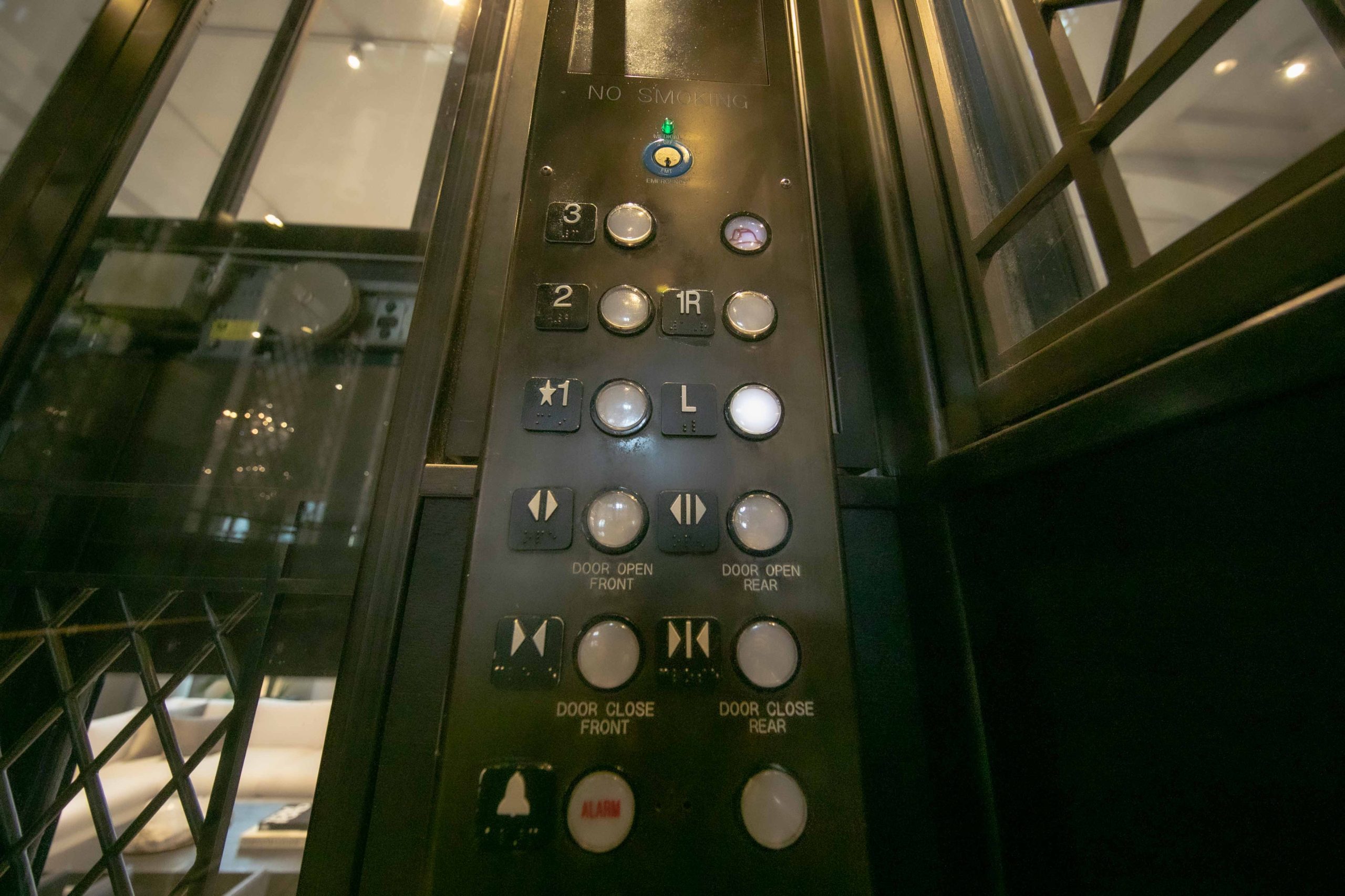
Components that passengers should be familiar with inside the cab include the control panel, where the buttons for each floor are located, as well as the emergency stop and call buttons. Other components include handrails and intercoms for emergencies.
The elevator doors are the component that passengers should be aware of, especially when opening and closing. Be sure all hands and feet are inside the cab and that children do not get their clothes caught in the mechanisms. Each door should have sensors that stop it from closing if something triggers them, such as an arm or leg.
Drive Systems
The drive systems are the machinery that moves the elevator cab up and down. There are generally several drive systems, depending on the use and load capacities needed to move an elevator cab, including hydraulic, traction, and machine room-less systems.
A hydraulic system uses pistons to move the cab. In a hydraulic system, the elevator cab is moved by a piston situated inside a cylinder filled with hydraulic fluid. An electric pump pressurizes this fluid, which in turn drives the piston to move the cab. Typically, the pumps for these hydraulic models are located in a machine room.
A traction elevator is a cable-driven vertical transport system that utilizes a motor-driven pulley (sheave) and counterweights to lift and lower the cab. This type of elevator is recognized for its high speeds, energy efficiency, and suitability for mid- to high-rise buildings. Its operation is based on traction, or friction, between the lifting ropes or belts and the pulley.
A machine room-less system doesn’t require a dedicated machine room. MRL elevators are becoming increasingly popular in both residential and commercial applications, offering many of the same benefits as traditional traction models without the need for an extra room.
Elevator Shaft
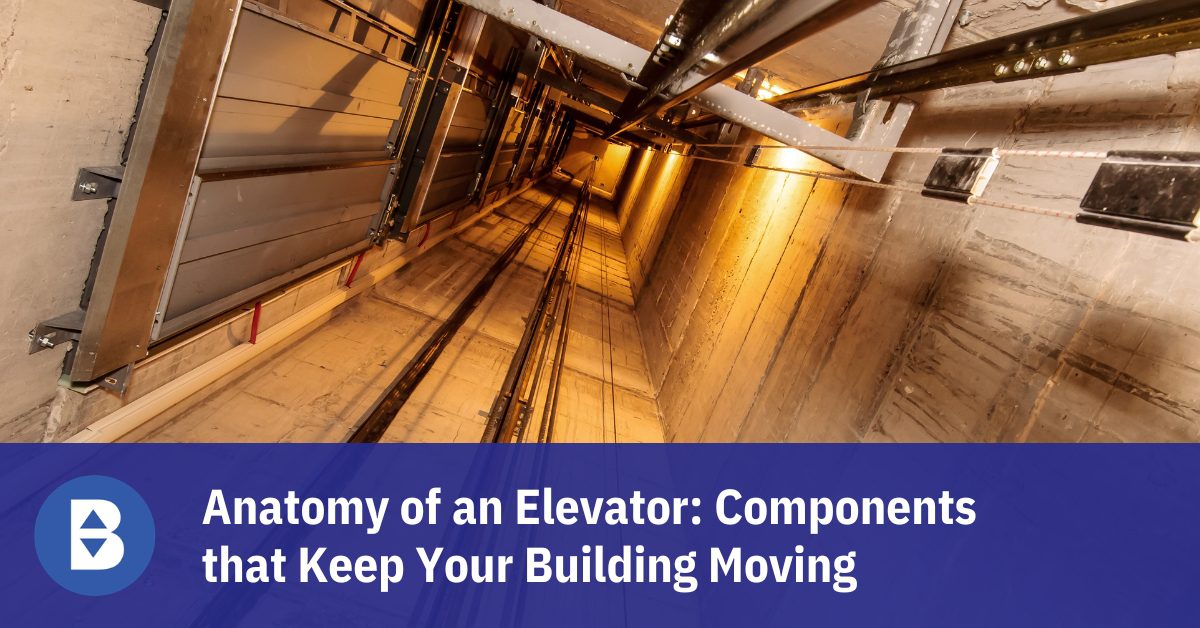
The elevator shaft is the area that houses both the cab and the cable system during operation. There are a few important components in most or all elevator shafts: the pit, where the cab rests when not in operation; the overhead, the top part of the system where the cab can rest when picking up passengers at the top floors; and the rail wall that holds the guide rails, ensuring the cab stays secure at all times.
Understanding the anatomy of your elevator is the first step in ensuring smooth, safe, and efficient vertical transportation for your building. Whether you need routine maintenance, emergency service, or are considering the installation of a new system, the experts at Buckley Elevators are ready to help. Contact us today to discuss your elevator needs.