

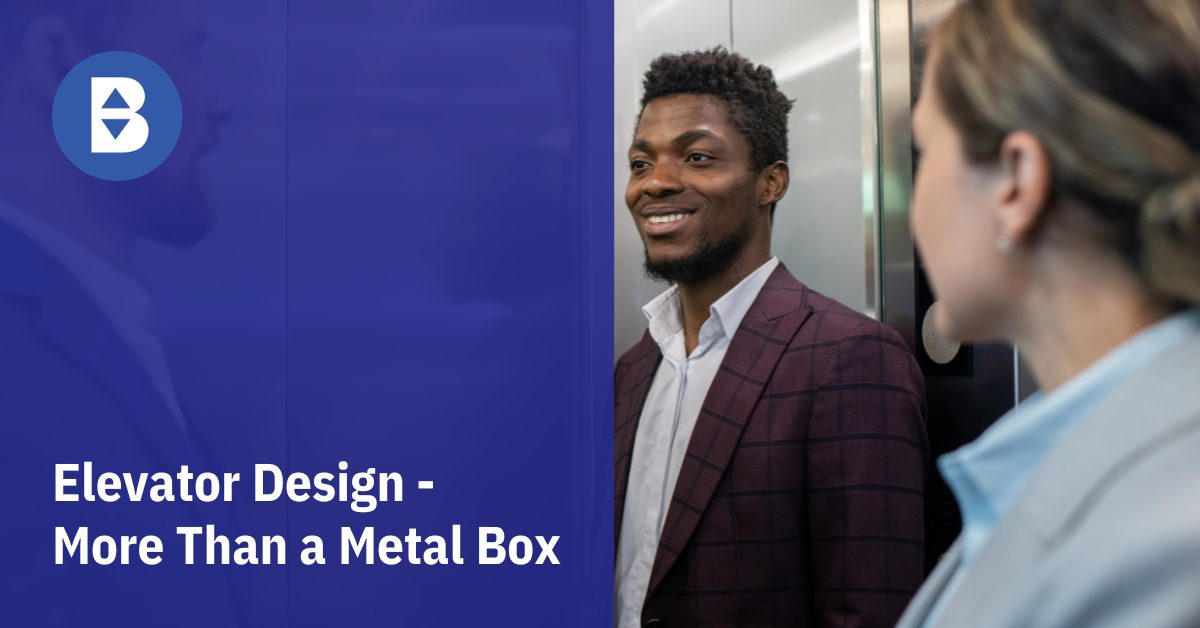
Elevator Design – More Than a Metal Box
July 15, 2026The modern elevator system (as we know it) has been around for nearly two hundred years. During that time, elevators have undergone significant technological and design advancements. From the early days of utilitarian design to modern works of art with architectural elements and smart features, the elevator has come a long way from a simple metal box that lifts passengers up and down.
Let’s explore some components of modern elevator design that can benefit your riders and your business.

Why Elevator Design Matters
In the large scheme of things, most of us don’t worry about the design and appearance of the elevators we ride. But most of us would notice if an elevator were worn, dated, and in need of modernization, whether in its technology or its design.
Visitors to your business make assessments of your company from the moment they walk in the door, including the style and size of the lobby, the friendliness of the staff and the appearance of the elevator that takes them to the appropriate floor. If that first impression is positive, that visitor will likely have a positive impression of your company as well. A shabby elevator is a missed opportunity to make that positive first impression.
An updated design and effective use of technology in an elevator signal to visitors and employees alike that the company is up to date and takes care of its building and the people within it. It can build trust with anyone who visits the building. An outdated elevator, however, sends a message that the business may not be proactive or modern.

Innovative Design Ideas
Want to add design elements that show passengers your business identity and consider elevator travelers? Try some of these design updates.
Touchless Travel
Modern elevators can add technology for touchless travel, including Bluetooth and smartphone integration, so passengers use their phones to call and set destinations for their ride. Passengers appreciate the improved hygiene and ability to avoid touching buttons that may have been used hundreds of times in a day.
Sensory Experience
Standing in an elevator with strangers can be an awkward and uncomfortable experience. Adding sensory components to the overall design can help make it less so. Music or video screens that show clips of businesses in the building or short news or weather videos can be a great focal point.
Interactive Walls and Floors
Adding changeable art to the elevator walls can add interest, as can seasonal floor decals. These small touches can help project a modern, design-conscious business.
Branded Elevators
Depending on your industry and brand, a branded elevator that showcases your brand’s color and logo can help unify the building’s design.
Architectural Focus
Again, depending on the size, style and structure of your building, elevators can incorporate architectural elements such as interesting materials, including glass, steel, and metals or shapes such as arches or complex designs on the walls and floors.
Lighting & Fixtures
The level and style of lighting, along with the installation of modern fixtures, can make an upgraded elevator appear light, airy and even more spacious than it actually is.
A modern, well-designed elevator is more than just a means of transport; it’s a critical part of your building’s aesthetic, signaling to visitors and employees that your business is modern, proactive, and detail-oriented. By incorporating innovative elements such as touchless travel, engaging sensory experiences, or architectural focus, you transform a simple metal box into a powerful tool for making a positive first impression.
Don’t miss the opportunity to elevate your brand’s image. Contact Buckley Elevators today to discuss design considerations and explore how a thoughtful elevator upgrade can benefit your riders and your business.