


How New England Winters Can Affect Elevator Performance
November 11, 2026New England winters bring harsh weather, including freezing temperatures, wind-driven storms, and sudden thaws. Freezing pipes, ice dams, and roof damage aren’t the only issues building management should prepare for; they should also watch for mechanical impacts that can affect elevator performance during deep freezes and thaws.
We’ve discussed how warm summer weather can affect your elevator system, but let’s take a closer look at how old man winter affects elevators across our region without proactive maintenance.

Hydraulic Fluid Thickening
One of the most common elevator types is the hydraulic elevator. These elevator systems rely on pressurized fluid to raise and lower the cab. Much like honey in a cold refrigerator, the fluid can experience a sharp increase in viscosity, a fluid’s internal resistance to flow. This can cause hydraulic oil to thicken dramatically in elevator machines in unheated rooms that experience sub-zero temperatures.
For building occupants, this fluid resistance translates into sluggish travel speeds, jarring starts and stops, and dangerous misleveling at floor landings. During the final approach to a stop, the elevator relies on a precise slow-speed phase to align perfectly with the floor. If the hydraulic oil thickens, it can prevent the fluid from entering or draining from the cylinder at the expected rate, causing the car to stop an inch above or below the landing. This uneven threshold creates an immediate tripping hazard for passengers, violates ADA accessibility standards, and leaves building owners vulnerable to liability.
Water Damage
Water damage is always a threat that building owners and elevator teams should watch for during the winter months. Basement pipes can freeze, leading to flooding or leaks in machine rooms or hoistways. This water intrusion can cause electrical shorts, equipment corrosion, and shutdowns.
Door Tracks & Debris Buildup
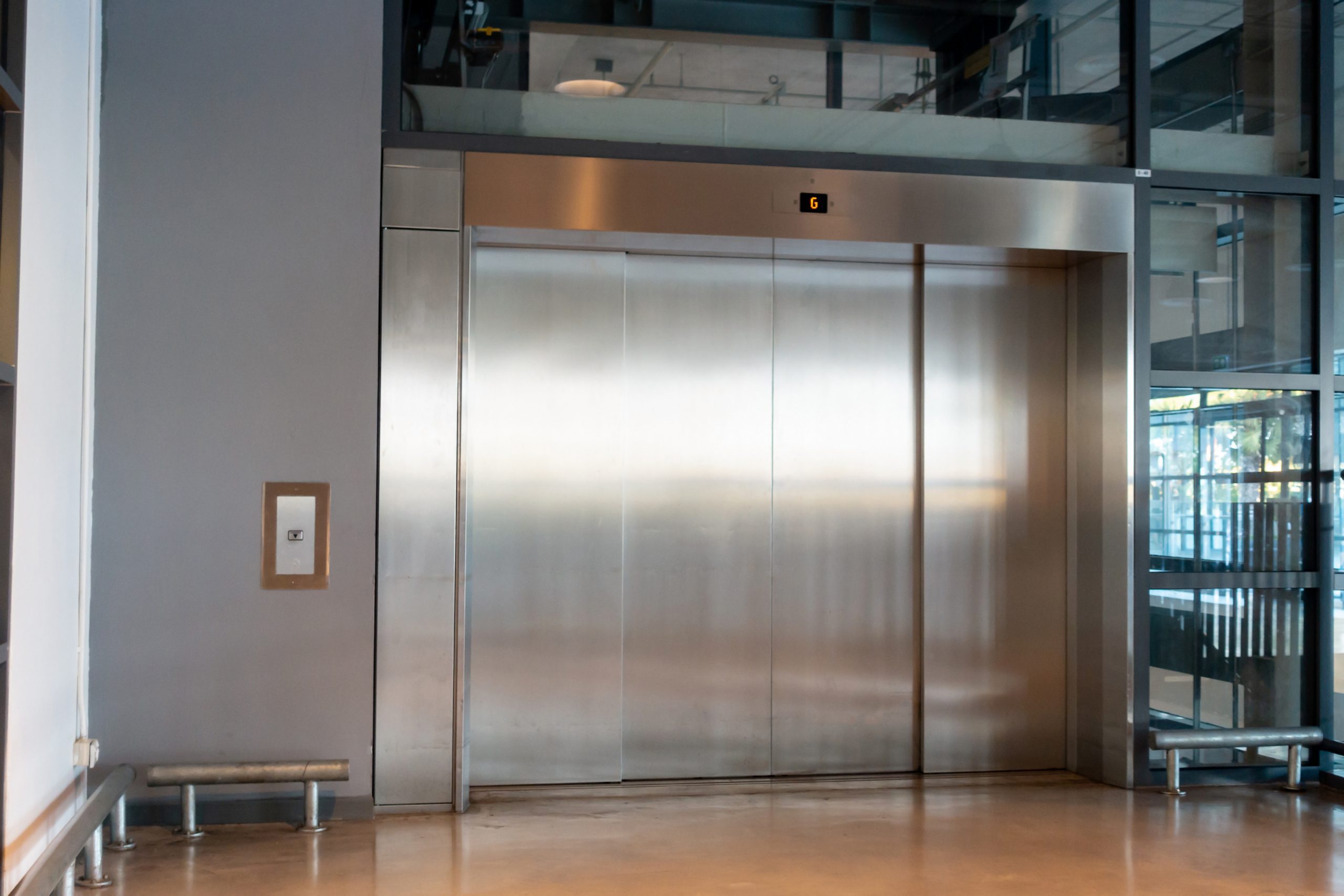
Door jams are one of the most common elevator service calls during the winter months. Snow, salt, sand, and other winter debris can get caught in the door tracks and build up, affecting elevator operation. Debris from riders’ footwear often obstructs sensor eyes and mechanical rollers, causing doors to open and close unevenly.
Electrical Failures
Rapid temperature swings during New England winters create severe moisture challenges inside elevator shafts and machine rooms, leading to heavy condensation on traveler cables, metal tracks, and sensitive electronics. When combined with corrosive salt spray and slush tracked into cab door sills by foot traffic, this trapped moisture rapidly accelerates rust on door tracks and corrodes electrical contacts. Over time, these harsh conditions can trigger short circuits, controller communication errors, and premature component failures that can unexpectedly halt elevator operations.
New England winters can be unpredictable, but your elevator maintenance plan doesn’t have to be. By taking a proactive approach to winter readiness, building managers can prevent costly downtime, protect sensitive machinery, and ensure smooth, reliable service all season long. Partnering with Buckley Elevators gives you access to custom maintenance programs designed to safeguard your system against harsh seasonal conditions, keeping your building safe, accessible, and running efficiently. Contact Buckley Elevators today to prepare your elevators for the winter ahead.